Shop Fit Out Styles: What’s Popular in Retail Architecture
In this ever-evolving world of retail, being on top of design trends is crucial for captivating and keeping customers. A properly done shop fit out not only boosts the aesthetic appeal of a space but also significantly boosts functionality and customer experience. As consumers become more and more discerning, the pressure is on retailers to create distinctive environments that resonate with their target audience. This article will explore the newest shop fit out trends and provide insightful insights on how to design and execute a successful retail design.
Starting with comprehending the importance of efficient layouts and lighting to discussing sustainable practices, this detailed guide will cover all you need to know about contemporary shop fit outs. Whether you're a new business owner or looking to revamp an existing store, knowing what’s popular in retail design can make a substantial difference in your complete success. Come with us as we explore the key considerations for creating a memorable retail space that not just draws in customers but also elevates your brand.
Key Considerations for Shop Fit Outs
When planning a shop fit out, a crucial factor to consider is the alignment of your design with your brand identity. Your retail space should reflect your brand values and appeal to your target audience. This includes choosing the right colors, materials, and overall aesthetic that resonates with your customers. A consistent brand identity helps create a memorable shopping experience and encourages customer loyalty.
Another important consideration is the layout of your retail space. An effective retail store layout facilitates the flow of foot traffic and enhances product visibility. It is crucial to create specific areas for various product categories while ensuring that customers can easily move around the space. A thoughtfully designed layout should promote exploration and prompt purchases, addressing both customer experience and operational efficiency.
Budget constraints are often a reality in any shop fit out project. It is vital to develop your budget carefully and distribute funds strategically for different aspects of the fit out, from materials to labor. Consider engaging a professional shop fit out company that can provide useful insights on what investments will yield the best returns. Balancing quality with cost is key, as investing wisely can significantly impact the overall success of your retail space.
Modern Trends in Retail Design
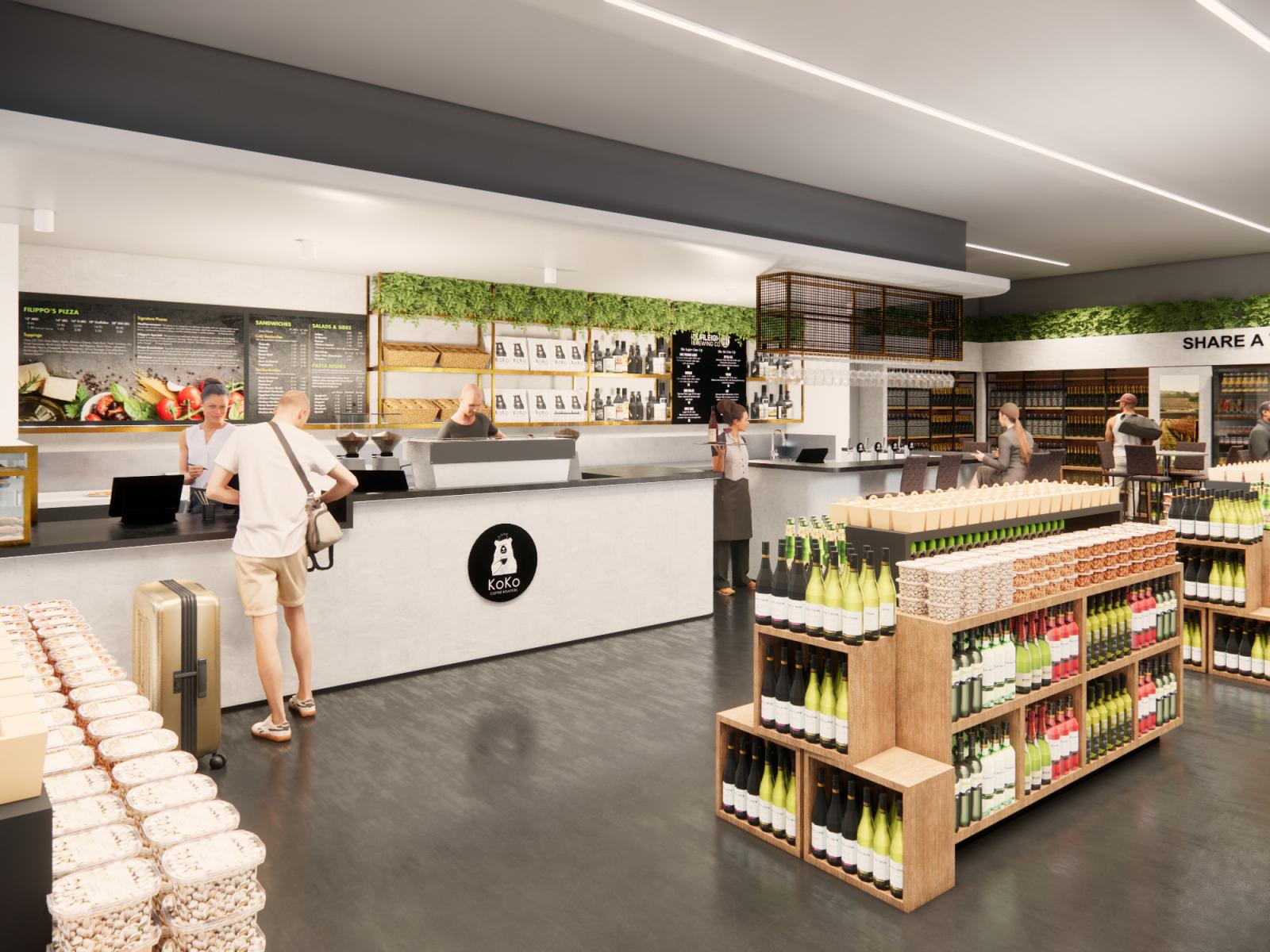
The landscape of store design is quickly changing, with a focus on developing interactive encounters for clients. One of the most notable trends is the use of biophilic styling features, which incorporate natural materials, plant life, and natural illumination into shop fit outs. This approach merely boosts the aesthetic attractiveness of retail environments but also leads to better client happiness and comfort. Store owners are increasingly realizing the value of developing environments where shoppers feel comfortable and involved, contributing to extended stay durations and greater sales.
A further significant movement is the integration of tech innovations within store environments. This entails the use of dynamic screens, augmented reality encounters, and connected dressing rooms that enhance the shopping experience. Store owners are harnessing digital tools to bridge the divide between online and brick-and-mortar retail journeys, delivering shoppers customized experiences that align with their wants. As technology continues to evolve, stores are becoming more flexible and attuned to consumer needs, changing the way shoppers connect with companies.
Eco-friendliness is also at the forefront of contemporary store design trends. Consumers are becoming more environmentally conscious, encouraging retailers to spend in green resources and sustainable systems. This trend reaches to the overall design approach, where store owners focus on reduced wastage, upcycled materials, and eco-friendly approaches in their shop designs. By emphasizing eco-responsibility, store owners simply meet client requests for eco-friendly alternatives but also align their brand with a progressive and conscious identity that connects with contemporary consumers.
Enhancing Customer Experience Via Layout
Establishing a retail environment that focuses on client experience involves thoughtful layout choices that address the requirements and wants of shoppers. An efficient store design is crucial, as it leads shoppers through the environment, prompting interaction and connection with products. By locating high-demand items at the entry and ensuring that routes are open and intuitive, retailers can affect not only the flow of shoppers but also the probability of unplanned purchases.
Technology plays a significant role in improving shopper experience in modern retail environments. Utilizing Homepage , e-signs, and mobile checkout options can remarkably streamline the buying process. Additionally, using advanced fitting rooms that offer virtual try-ons can transform the shopping experience more satisfying and streamlined. Get more information enhance ease of shopping but also create a lasting client experience that connects with customers.
Finally, illumination and ambiance are key components in creating the total environment of a retail space. Warm, friendly lighting can make shoppers feel comfortable and promote prolonged visits, while deliberately placed illumination can highlight prominent items. Additionally, factors such as scent and sound can elevate the shopping environment, creating a multi-sensory experience that encourages customer loyalty. By paying attention to these aspects of design, retailers can considerably improve client satisfaction and increase sales.